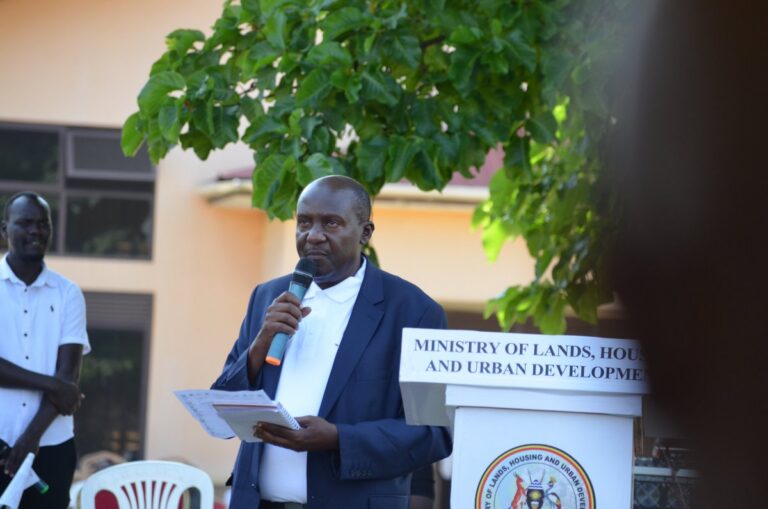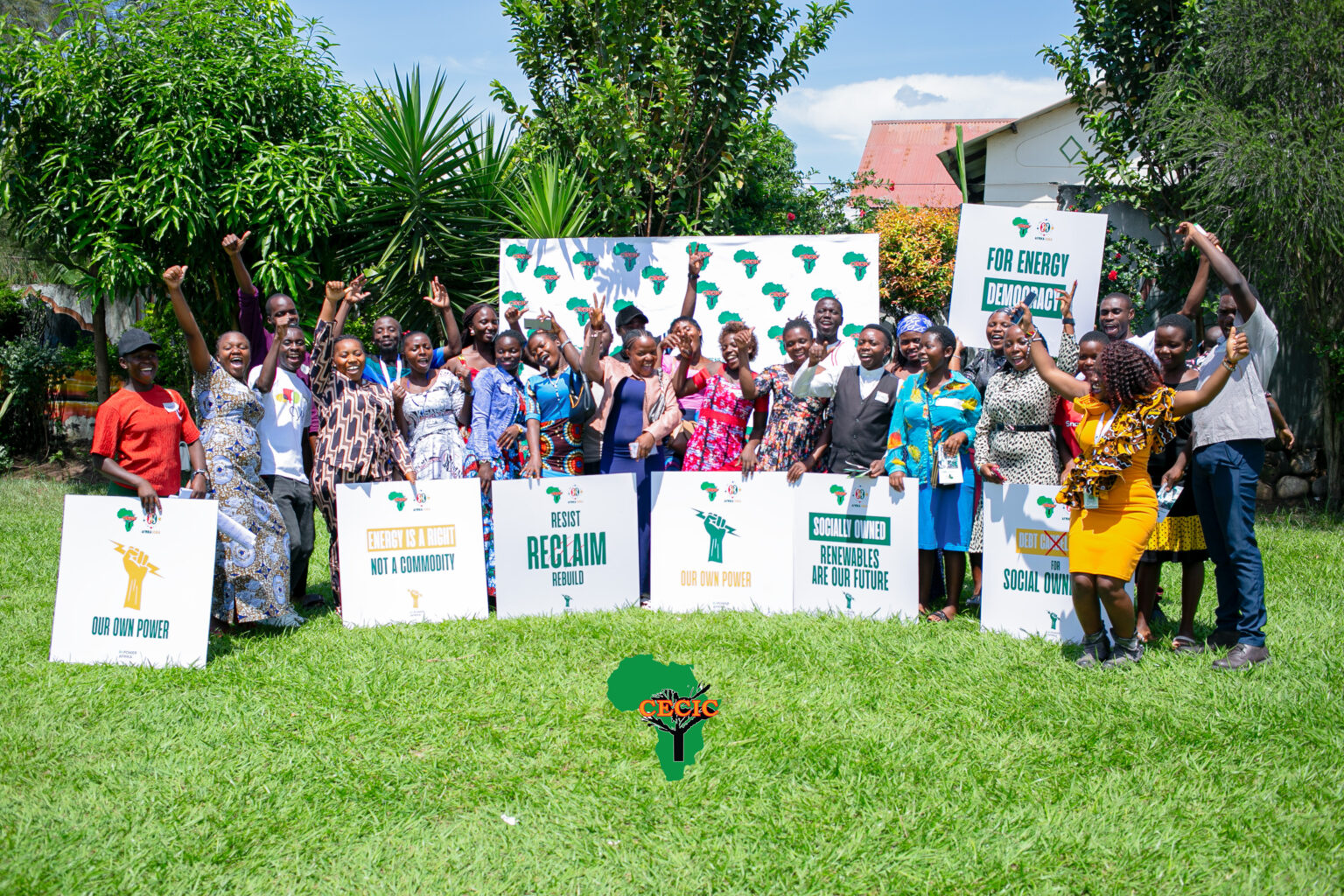
Launch of the Land in Our Names: key facts
The launch of the Land in Our Names (LION) project helps communities in Kasese, Bunyoro and the Albertine Rift secure their land against acquisitions, forced displacement and broken promises in extractive zones.
- Type: News story
- Published: 4 July 2025
- From: CECIC Uganda, Kasese
- Programme: LION: Land In Our Names
Learn more about this topic from UN Human Rights.
🌍 A Movement Born from Urgency
Across Uganda, especially in extractive zones like Kasese , Bunyoro , and the Albertine Rift , communities are facing an alarming reality: large-scale land acquisitions, forced displacements, environmental degradation, and broken promises. These issues are not isolated they are part of a broader pattern where communities are excluded from decisions that affect their lives, lands, and futures.
That’s why today marks a turning point. With the official launch of the LION Project , we are building a powerful, grassroots response one rooted in truth-telling, legal empowerment, and community-led advocacy.
🛠️ What is the LION Project?
Land in Our Names (LION) is a community-driven initiative designed to support people affected by land grabs and exploitative land-based investments. It empowers communities to:
- Reclaim control over land governance processes.
- Amplify lived experiences through storytelling and documentation.
- Demand transparency and accountability in land deals and investment contracts.
- Protect ancestral and communal land rights through legal and policy engagement.
The project is currently being implemented in Western Uganda , with a focus on Kasese District , where mining for copper and cobalt has led to decades of land conflicts and displacement. From here, LION will expand to other regions experiencing similar challenges.
🔑 Why LION Matters Now
In Uganda and across Africa land is more than property ; it is memory, culture, spirituality, and survival. Yet too often, land-based investments proceed without the Free, Prior, and Informed Consent (FPIC) of affected communities.
Marginalized groups particularly women, Indigenous peoples, and youth are disproportionately impacted, with limited access to information, legal recourse, or platforms to speak out.
LION answers this injustice with a comprehensive strategy that includes:
1. Community Monitoring & Storytelling
We train local monitors and storytellers to document land-related injustices using video, audio, photography, and written narratives. These stories are shared on accessible platforms from social media to community radio to raise awareness and mobilize support.
In Kasese, farmer Masika Regina documented how her family was displaced after a mining company expanded its operations without consultation. Her testimony became part of a national campaign demanding accountability.
2. Transparency and Open Contracts
LION promotes open contracts so citizens can track land deals and hold investors and authorities accountable. We work with communities to translate complex legal agreements into plain language and host public analysis forums.
When a controversial mining contract was leaked in Western Uganda, LION supported a community workshop to break down the clauses and expose unfair terms favoring the investor.
3. Legal Empowerment & Advocacy
We build legal and advocacy capacity within communities, enabling them to engage with policymakers and protect communal and ancestral land rights.
In collaboration with local lawyers, LION helped elders from Bugoye Subcounty file a legal complaint against an illegal land survey threatening their ancestral burial grounds.
4. Centering Women’s Voices
Women are often excluded from decision making around land, despite being the primary caretakers of both land and families. LION ensures women lead dialogues, participate in negotiations, and shape alternative visions for land use.
In Kasese District , a women’s land rights forum organized by LION successfully negotiated for the inclusion of women in a village land committee a first in decades.
🗣️ From Resistance to Renewal
LION is about more than resistance it’s about renewal . It’s about imagining a Uganda where communities are informed, organized, and empowered to make decisions about the land they depend on.
Already, in Kasese, the project is creating ripples. Community dialogues, local radio programs, and storytelling workshops are equipping land conflict victims with tools to speak up, challenge exploitative practices, and propose alternative solutions rooted in justice and sustainability.
One powerful example is the “Voices of the Valley” podcast series, co-produced by LION and local youth. Each episode tells a different story of displacement, resilience, hope, and resistance giving voice to those too often silenced.
📈 What’s Next?
As LION grows, so will its impact. The goal is to build a national movement that ensures land truly remains in our names not in secret deals, not in the hands of a few elites, but with the communities who live on, depend on, and care for it.
Plans include:
- Expanding monitoring networks to new districts
- Launching a digital platform for real-time reporting of land violations
- Strengthening partnerships with regional and international human rights organizations
- Training a new generation of land justice advocates and legal defenders
🤝 Get Involved
You don’t have to be from Kasese or Kampala to stand with LION. Here’s how you can help:
- Follow the stories from the ground : Visit cecicug.org to read testimonies, listen to podcasts, and view community reports.
- Support community-led monitoring and legal empowerment : Your contribution helps fund training, equipment, and legal representation for communities.
- Demand transparency in land deals : Use your voice to pressure government agencies and investors to disclose land contracts and respect FPIC.
- Join the movement for Land in Our Names : Share our content, attend community forums, and advocate for land justice policies.
🐾 Let’s Roar Together
Because when we say “Land in Our Names” , we mean it literally and politically. It’s a declaration that no development is just if it erases the people who live closest to the land.
Let’s roar together for our land, our rights, and our future.
#LandInOurNames | #LIONProjectLaunch | #JusticeForKasese | #StopLandGrabs | #UgandaLandRights
Partner with CECIC, sign our petition or get the Eco CITIZEN newsletter.