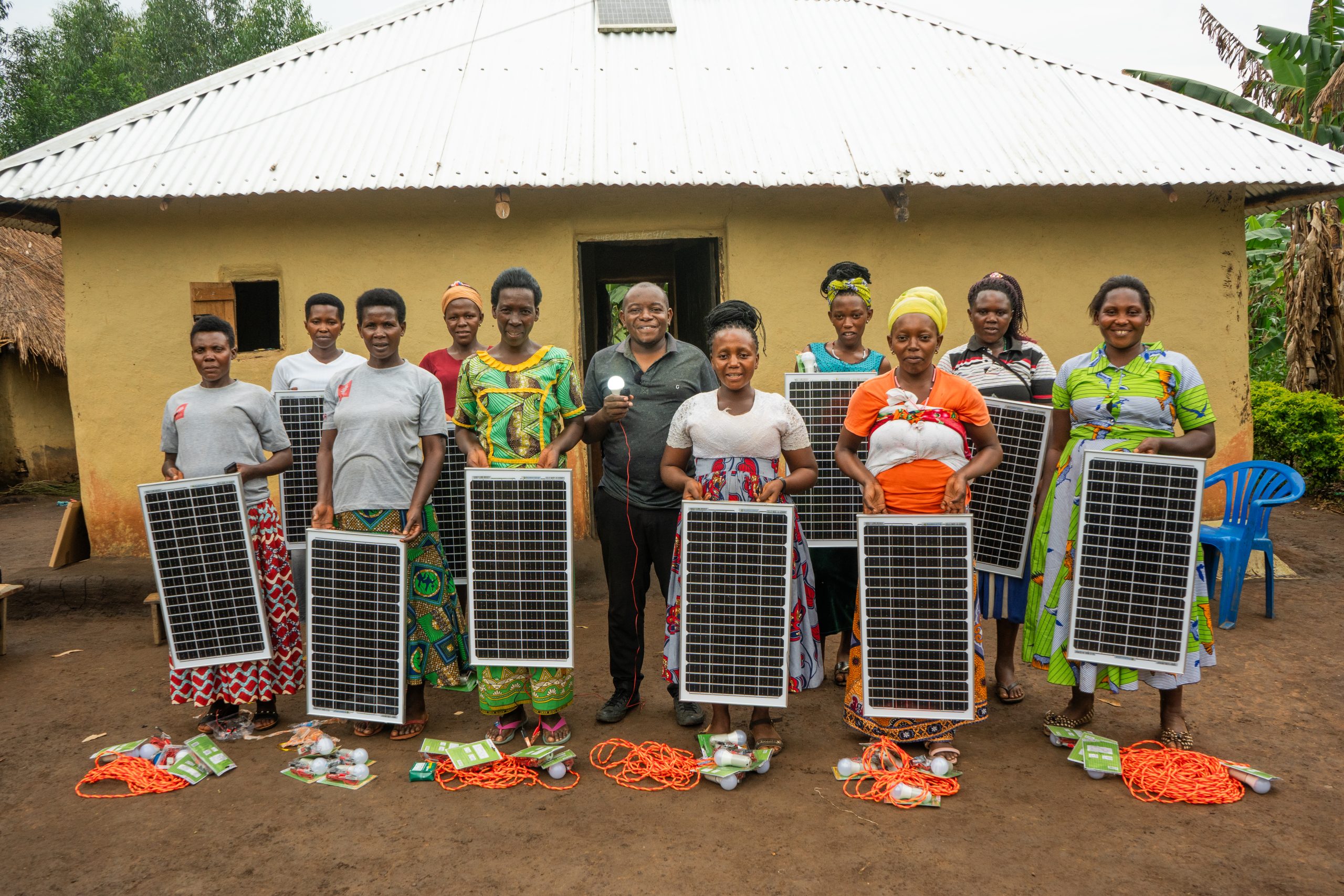

A just transition is our non-negotiable demand: the shift away from fossil fuels must empower frontline communities, workers and marginalised people to build a fairer energy future, not just a cleaner one.
The green wave is coming, but who will it serve? The move to renewable energy can bring power, jobs and health to millions of Ugandans, or it can repeat old patterns of exclusion, land grabs and exploitation. A just transition means dismantling the systems that caused the climate crisis and placing power and leadership in the hands of those most affected.
Key principles of a just transition
Communities first
We resource frontline communities to design and own their clean energy futures.
Community rights & consent
A green economy rooted in community rights, community ownership and economic dignity.
Corporate accountability
Changing laws and holding corporations accountable so justice is locked into policy.
Frontlines of action
We mobilise power on three critical fronts. First, we support community-led renewable energy, such as solar for homes, farms and schools, so that the benefits stay local. Second, we defend the rights of communities affected by fossil fuel projects and by the new rush for minerals. Third, we push for policies and public finance that make clean energy affordable for everyone, including the poorest households.
- Community-owned solar and clean cooking solutions
- Training women and youth in solar installation and maintenance
- Advocacy against harmful fossil fuel expansion and for fair compensation
- Policy work on energy access, green jobs and public climate finance
- Regional solidarity through campaigns such as REPower Afrika
We serve as accomplices, not leaders, moving resources with urgency and precision to where the fight is fiercest.
Join the movement for a just transition
The climate crisis will be solved by movements, not just technology. Partner with us to fund the architects of a truly just future: let’s move resources to the frontlines, build collective power and win a transition that serves people and planet alike. Learn more about global just transition principles from the International Labour Organization.
Explore related work on batteries and renewable energy and natural resource governance, or join the movement today.
Common questions
What does a just transition mean for a household in Kasese?
It means reliable, affordable clean energy for lighting, cooking and small businesses, owned or shaped by the community, with fair treatment for anyone affected by energy projects and new jobs that local people can take up.
How can partners support the just transition?
Funders and organisations can support community energy projects, training for women and youth installers, research on energy access and advocacy for fair energy policy. We share results openly through our publications.
Is a just transition only about energy?
No. It also covers jobs, land, health and who makes decisions. Clean energy projects should respect land rights, create decent work and involve communities from the start.
Other CECIC programmes

Climate Change & Community Resilience
Locally led adaptation, clean energy and nature-based solutions for climate-vulnerable communities.
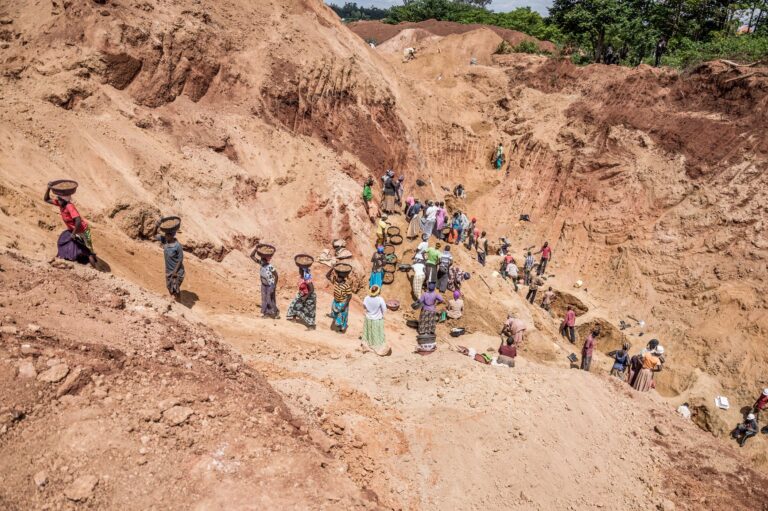
Natural Resource Governance
Making Uganda's critical minerals benefit people and planet through transparency and community rights.

Gender, Health & Environment
Linking reproductive health, gender equality and climate adaptation in one approach.

Community-Led Food Sovereignty
Agroecology, seed sovereignty and fair local markets for smallholder farmers.
Wildlife Conservation
Fighting wildlife trafficking with communities, rangers and stronger laws.

Batteries & Renewable Energy Solutions
Safe battery use, recycling and producer responsibility as solar spreads.
Stand with communities in the Rwenzori
Partner with CECIC, support a programme, or bring our team to your district. Together we can make climate justice real.