
Programme 06

Wildlife Conservation

Protecting Uganda’s biodiversity by dismantling wildlife trafficking and building a culture of conservation.

Home/Our Work/Wildlife Conservation

Wildlife conservation in Uganda faces a critical threat from the illegal wildlife trade. CECIC works with communities, rangers and policymakers to stop trafficking and protect the country’s natural heritage.

The illegal wildlife trade is a transnational crime that pushes iconic species toward extinction, undermines ecological balance and erodes Uganda’s natural heritage, including the tourism economy that many communities depend on. Tackling it is essential for a sustainable future for Uganda’s wildlife and the people who live alongside it.

Wildlife conservation officers and community members working together in Uganda
Community members and wildlife officers working side by side.

Our integrated approach to wildlife conservation

CECIC uses a multi-faceted strategy to dismantle wildlife trafficking networks and foster a culture of conservation.

Public awareness & education

Targeted campaigns help communities understand the impacts of trafficking and recognise and report illegal activity.

Law enforcement collaboration

We strengthen national and regional law enforcement with resources, information support and specialised training.

Community engagement

We build pride and ownership over natural heritage so that communities become active guardians of local wildlife.

Policy & legal advocacy

We advocate for stronger laws and penalties to close loopholes and deter wildlife crime.

Core wildlife conservation initiatives

1. Enhanced wildlife protection and enforcement

We support government wildlife protection units with equipment, training and operational resources that improve their ability to intercept trafficking and secure key habitats.

2. Community-based ranger programmes

We train and equip community members to serve as community rangers. They act as a frontline force for monitoring, reporting poaching and gathering information, extending the reach of formal protection efforts.

3. Conservation education and outreach

To build long-term resilience, we run education programmes in schools and communities that foster a conservation ethic and a generation that values and protects Uganda’s unique biodiversity.

Complementing national efforts

Our work complements the mandate of the Uganda Wildlife Authority and local governments, especially in communities bordering protected areas such as the Rwenzori Mountains and Queen Elizabeth National Parks.

Wildlife conservation connects with our climate resilience and natural resource governance work. Contact us to support community rangers or conservation education.

Common questions

How can communities report wildlife crime?

Community members can report suspected poaching or trafficking to the Uganda Wildlife Authority, local leaders or the police. CECIC can help communities understand how to report safely.

Why involve communities in wildlife conservation?

People living next to parks see what happens first and bear the costs of human-wildlife conflict. When they benefit from conservation and have a voice, protection becomes stronger and fairer.

What are community rangers?

Community rangers are local people trained and equipped to monitor wildlife and report threats. They know the land, the routes and the people, which makes them an important link in wildlife conservation between communities and wildlife authorities.

Keep exploring

Other CECIC programmes

Kasese District Forest Development Plan, CECIC Uganda

Climate Change & Community Resilience

Locally led adaptation, clean energy and nature-based solutions for climate-vulnerable communities.
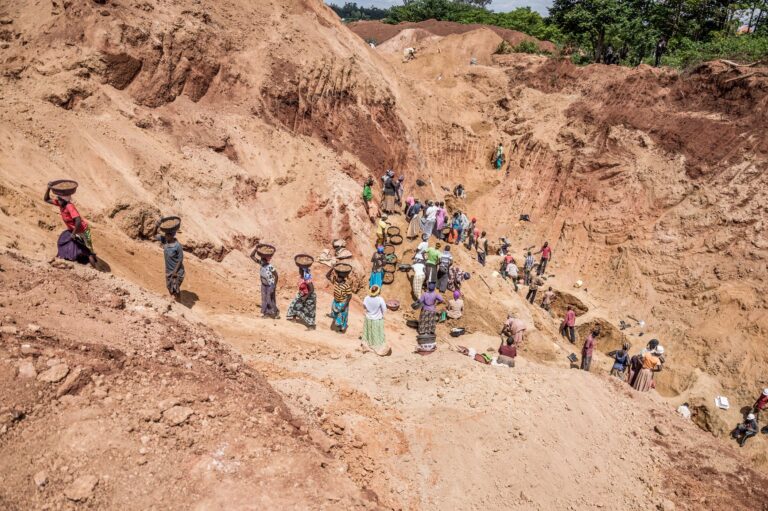
women mining Gold in Karamoja

Natural Resource Governance

Making Uganda's critical minerals benefit people and planet through transparency and community rights.

Renewable Energy Sector and women 4 renewable energy access, CECIC Uganda

Just Transition

A fair shift to clean energy that puts frontline communities and workers in charge.

Gender, Health & Environment programme in Uganda

Gender, Health & Environment

Linking reproductive health, gender equality and climate adaptation in one approach.

Barbaric to Superfood and food watch rwenzori, CECIC Uganda

Community-Led Food Sovereignty

Agroecology, seed sovereignty and fair local markets for smallholder farmers.

Can-You-Recycle-an-Old-EV-Battery

Batteries & Renewable Energy Solutions

Safe battery use, recycling and producer responsibility as solar spreads.

Stand with communities in the Rwenzori

Partner with CECIC, support a programme, or bring our team to your district. Together we can make climate justice real.

Latest publications
View all →