In many communities across Uganda, access to affordable and clean cooking energy remains a daily challenge. For millions of households, especially in rural areas, firewood and charcoal are the primary sources of energy. This dependence drives deforestation and exposes families, particularly women and children, to harmful indoor air pollution and rising fuel costs.
At the Centre for Citizens Conserving Environment & Management (CECIC), we are working to change this reality by supporting communities to adopt sustainable, locally driven energy solutions. One such intervention is our briquette-making training, which equips community members with practical skills to transform everyday waste into clean and affordable fuel.
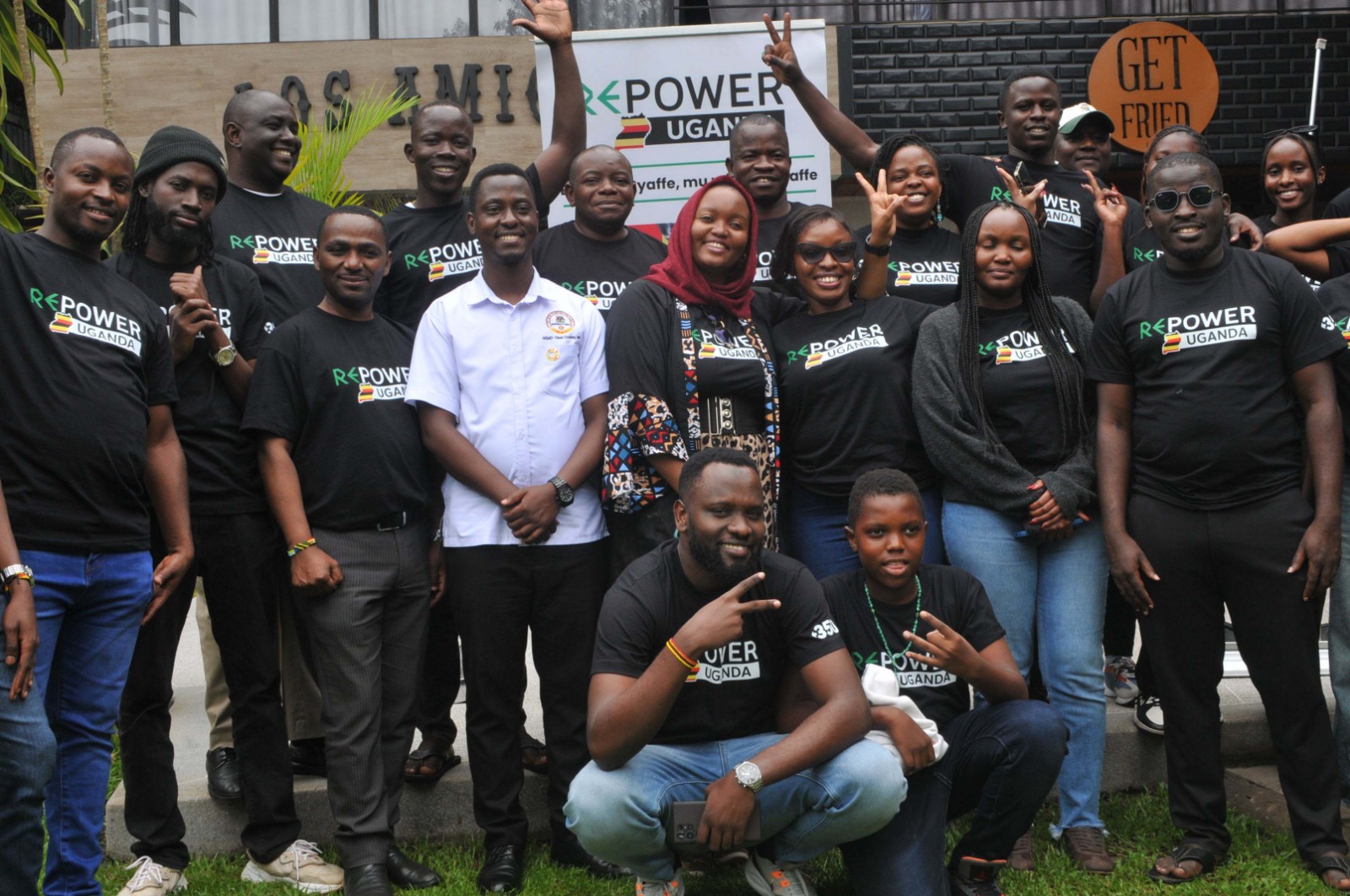
Recently, CECIC conducted a briquette-making training in Habitant, Nyamwaba Division in the Rwenzori region, bringing together women, youth, and community leaders to learn practical and sustainable energy solutions.
CECIC’s approach is rooted in a simple but powerful idea: communities already have the resources they need to address their energy challenges. Through hands-on training, participants learned how to convert locally available materials, including agricultural residues, charcoal dust, and kitchen waste such as food peelings and organic leftovers, into briquettes for cooking. What was once discarded as waste is now becoming a valuable household energy resource.
The training was practical, inclusive, and immediately applicable. Participants actively engaged in every step of the process, from collecting and preparing materials to pressing, drying, and using the briquettes. This ensured that the knowledge gained was not only understood but fully integrated into daily life.
Women have been at the forefront of this transformation. In many households, they are now using kitchen waste generated daily to produce briquettes, reducing waste while lowering the need to purchase charcoal or spend hours searching for firewood. This shift is saving time, reducing costs, and creating new opportunities for income generation. At the same time, young people are organizing themselves into small groups to produce briquettes collectively, selling them within their communities and building green enterprises.
The impact of this work is already visible. Households are experiencing reduced energy costs as they produce their own fuel. Kitchens are becoming cleaner with less smoke and improved air quality. Communities are contributing to environmental conservation by reducing pressure on forests. At the same time, new income streams are emerging, particularly for women and youth.
As one participant shared, “Before the training, I struggled to find firewood. Now I use the waste from my kitchen to make briquettes, and I even sell some to my neighbors.” This simple yet powerful shift reflects the broader transformation taking place.
This initiative is part of CECIC’s wider commitment to advancing a just and inclusive energy transition. In a country where the majority of energy consumption still depends on biomass, community-driven solutions like briquette production offer a practical pathway toward sustainability. By equipping people with the skills to produce their own clean energy, we are strengthening resilience, improving livelihoods, and ensuring that no one is left behind in the transition.
The potential for scaling this solution is significant. With increased support and partnerships, briquette training can reach more communities, helping thousands of households transition to cleaner energy while creating economic opportunities at the local level.
From reducing household expenses to transforming waste into opportunity, this initiative demonstrates the power of community-led solutions. It is a reminder that sustainable change begins at the local level when people are equipped with the right knowledge, tools, and support.
From waste to energy, from training to transformation, this is the future CECIC is helping to build.