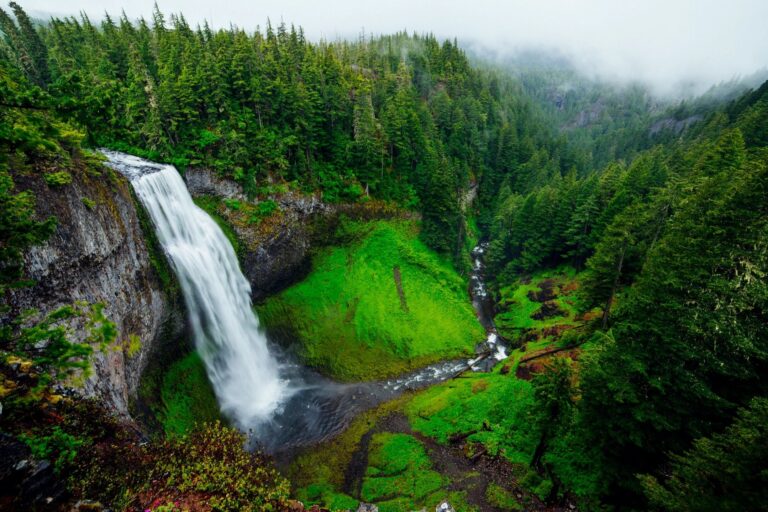
Our Work
Seven programmes that connect climate justice, natural resources, clean energy, food, health and wildlife across the Rwenzori region.
Home/Our Work
Conservation programmes in Uganda, led by communities
CECIC runs conservation programmes in Uganda that generate evidence through research, engage government and civil society on policy, and work hand in hand with communities for climate justice, sustainable natural resource management and human rights. Choose a programme to see what we do and how you can get involved. All our conservation programmes in Uganda are designed with local partners and reviewed with the communities who take part.

Climate Change & Community Resilience
Locally led adaptation, clean energy and nature-based solutions for climate-vulnerable communities.
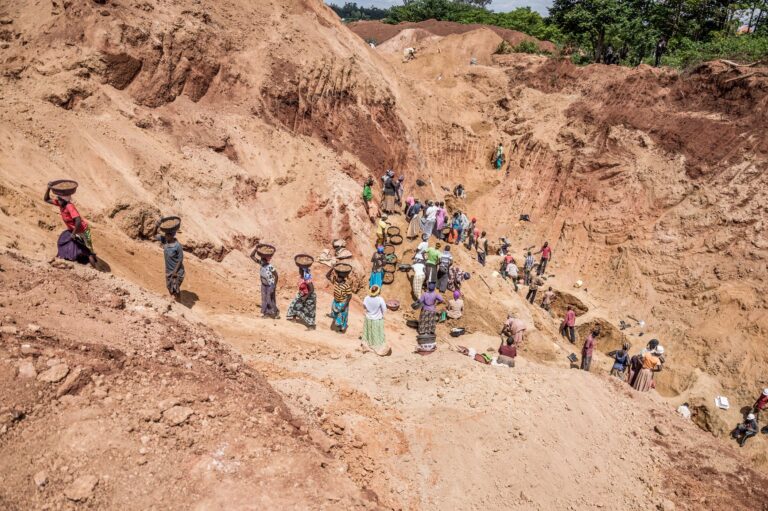
Natural Resource Governance
Making Uganda's critical minerals benefit people and planet through transparency and community rights.

Just Transition
A fair shift to clean energy that puts frontline communities and workers in charge.

Gender, Health & Environment
Linking reproductive health, gender equality and climate adaptation in one approach.

Community-Led Food Sovereignty
Agroecology, seed sovereignty and fair local markets for smallholder farmers.
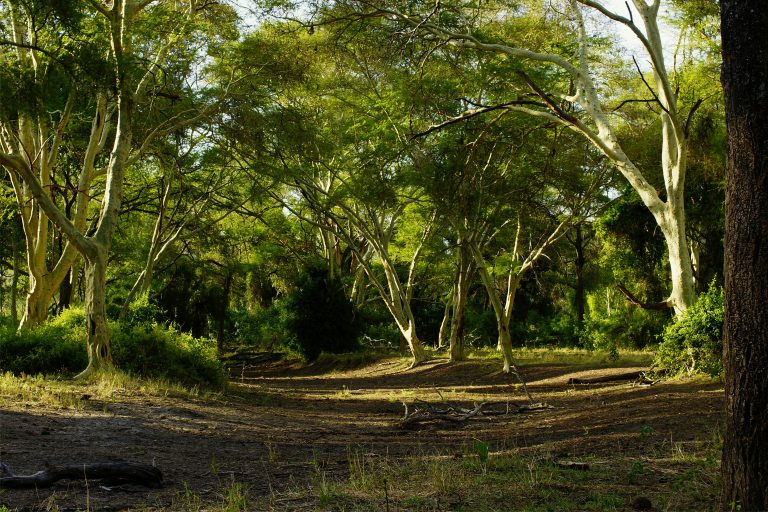
Wildlife Conservation
Fighting wildlife trafficking with communities, rangers and stronger laws.

Batteries & Renewable Energy Solutions
Safe battery use, recycling and producer responsibility as solar spreads.
One approach across our conservation programmes in Uganda
Whatever the issue, from critical minerals to seed sovereignty, our programmes follow the same pathway, so that local knowledge shapes national policy and policy delivers results on the ground.
Start with communities
Action research and community dialogues identify problems, priorities and solutions from the people most affected.
Change policy and practice
Evidence is turned into policy briefs, petitions and dialogues with local governments, ministries and regional bodies.
Strengthen local action
Training, learning centres and community monitoring help citizens claim their rights and hold duty-bearers accountable.
The Rwenzori is on the frontline
Floods in the Nyamwamba and Mubuku valleys, landslides in the highlands, mining pressure and fragile food systems make Kasese and the Rwenzori region a frontline of the climate crisis. Our programmes respond to these connected challenges together, rather than one at a time.
How our conservation programmes in Uganda support global goals
Our conservation programmes in Uganda contribute to national plans and to the UN Sustainable Development Goals, especially climate action (SDG 13), life on land (SDG 15), zero hunger (SDG 2), gender equality (SDG 5) and affordable and clean energy (SDG 7).
But we measure success locally: families that recover faster after floods, farmers who save their own seed, women who lead decisions about land and energy, and communities that can hold companies and governments to account. If you would like to fund, research or partner on any programme, talk to our team.
Three ways to support our programmes
Partner with us. Local governments, civil society groups, universities and funders can join a programme, co-design a project or support research. Volunteer. Students and professionals can share their skills in research, communications, agronomy, energy or law. Take action. Everyone can sign our petitions, share our stories and subscribe to the Eco CITIZEN newsletter.
What success looks like for us
Our conservation programmes in Uganda are judged by practical change: policies that include community priorities, farmers using agroecology and saving seed, women trained in solar and taking leadership roles, families better prepared for floods, and communities able to demand accountability from companies and government. We report these results openly in our publications.
Stand with communities in the Rwenzori
Partner with CECIC, support a programme, or bring our team to your district. Together we can make climate justice real.