- Version
- Download 7
- File Size 276.31 KB
- File Count 1
- Create Date September 3, 2025
- Last Updated October 5, 2026
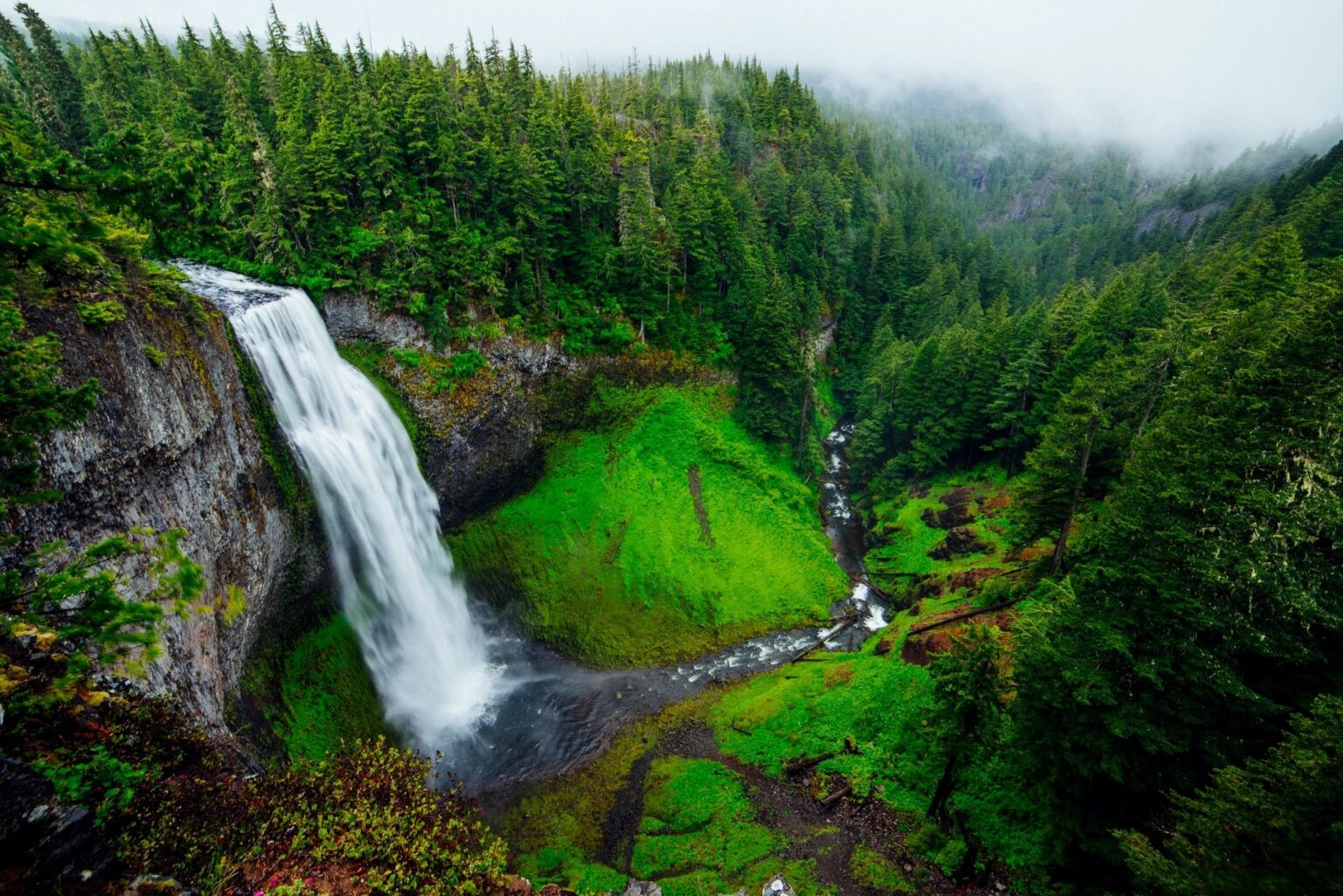
Oil Development in Murchison Falls: key facts
This communique on oil development in Murchison Falls National Park raises urgent concerns about oil projects in Uganda's largest national park.
- Type: Publication (free download)
- Published: 3 September 2025
- From: CECIC Uganda, Kasese
- Programme: Natural Resource Governance
Learn more about this topic from NEMA Uganda.
The recently released communiqué, Oil Development in Murchison Falls National Park A Critical Warning, raises urgent concerns about the rapid advance of oil projects inside Uganda’s most iconic protected area. The document highlights that recent claims of harmony between oil extraction and biodiversity conservation are contradicted by hard evidence, scientific data, and global lessons.
At the center of the communiqué is the Tilenga oil project, operated by TotalEnergies and its partners. Production is slated to begin in 2025, with an estimated output of 190,000 barrels of oil per day. Despite assurances that infrastructure will occupy only 0.03% of Murchison Falls National Park, the communiqué stresses that this figure is misleading. Oil development is not a temporary or isolated activity it brings decades of industrialization, including pipelines, well pads, access roads, heavy vehicle traffic, and human settlements. These changes threaten to transform a pristine ecosystem into an industrial hub.
The document further critiques the reliance on mitigation measures such as “silent rigs,” noise-reduction technology, and vegetated barriers. While these measures may reduce immediate disturbances, they cannot prevent cumulative and long-term ecological damage. Habitat fragmentation, disruption of wildlife migration routes, and the introduction of constant human activity will degrade the park’s biodiversity over a 25-year operational cycle. The communiqué also challenges the controversial concept of “net biodiversity gain,” which allows destruction inside the park in exchange for conservation projects elsewhere. No off-site project can replicate the ecological uniqueness of Murchison Falls National Park.
Governance and transparency are also brought into question. Civil society organizations, researchers, and conservationists have repeatedly flagged shortcomings in the Environmental and Social Impact Assessment (ESIA). Concerns include inadequate consultation of affected communities, gaps in risk assessments, and limited independent oversight. The communiqué calls for a full, independent review of the ESIA before oil production proceeds.
The risks extend beyond wildlife. Murchison Falls National Park supports critical ecosystems that feed into the Nile River, provide livelihoods through tourism, and regulate Uganda’s climate resilience. Oil spills, water contamination from produced water, and air pollution from gas flaring pose significant risks to both human health and local economies. Tourism, which contributes nearly 10% to Uganda’s GDP and provides tens of thousands of jobs, could be irreparably damaged by industrialization inside the park.
Partner with CECIC, sign our petition or get the Eco CITIZEN newsletter.