
Renewable energy is reshaping how Ugandan communities access power. CECIC makes sure that every battery behind that progress is managed safely, so the gains of clean energy are not offset by a toxic waste crisis.
Uganda’s energy transition is real and necessary. Solar installations, hydropower expansion and biomass systems are changing lives, and that is cause for genuine optimism. But every battery that enters the market eventually reaches the end of its life. Without systems to manage that moment, the environmental gains of renewable energy are undermined in the very communities that need clean energy most.
The challenge: laws exist, enforcement does not
Uganda already has a legal framework to manage battery waste. The National Environment Act (2019) places Extended Producer Responsibility (EPR) on importers and sellers. The problem is not the law; it is that the law is not working. Political interference, opaque regulatory processes and underfunded implementation mean most hazardous battery waste bypasses formal systems, ending up in landfills or in dangerous informal recycling.
Lead, cadmium and mercury from improperly discarded batteries contaminate water sources and farmland. Rural communities, often the first to adopt solar and the least equipped to manage its waste, face the greatest risk.
Four lines of action
Strong, enforced policy
Working with policymakers to activate EPR laws, close gaps and make producers accountable for end-of-life batteries.
Educated, empowered communities
Workshops on the dangers of battery waste, safe handling and storage, and proper disposal in rural areas.
Practical recycling infrastructure
Supporting formal collection and recycling, including regional partnerships with facilities such as Enviroserve in Rwanda.
Multi-stakeholder coalitions
Bringing importers, solar companies, civil society and government together to build national systems.
Why renewable energy needs responsible battery management
- The legal foundation: the National Environment Act (2019) and waste regulations already mandate EPR. CECIC works to make it real.
- The regional opportunity: East Africa is developing recycling capacity that Uganda can use in the near term.
- The community imperative: those most exposed to battery toxins have the least power to demand change, so we centre their voice.
Read more about global renewable energy trends from the International Renewable Energy Agency, explore our just transition work, or partner with us on battery collection and awareness in your district.
Common questions
What should I do with an old solar battery?
Renewable energy systems rely on batteries, so handle old ones with care. Do not burn them, bury them or break them open. Store them in a dry, safe place away from children and water sources, and return them to the seller or a collection point where one exists. Ask the seller about take-back schemes.
Who is responsible for battery waste in Uganda?
Under Extended Producer Responsibility, importers and sellers share responsibility for the safe end-of-life management of the batteries they put on the market. CECIC advocates for this to be enforced.
Other CECIC programmes

Climate Change & Community Resilience
Locally led adaptation, clean energy and nature-based solutions for climate-vulnerable communities.
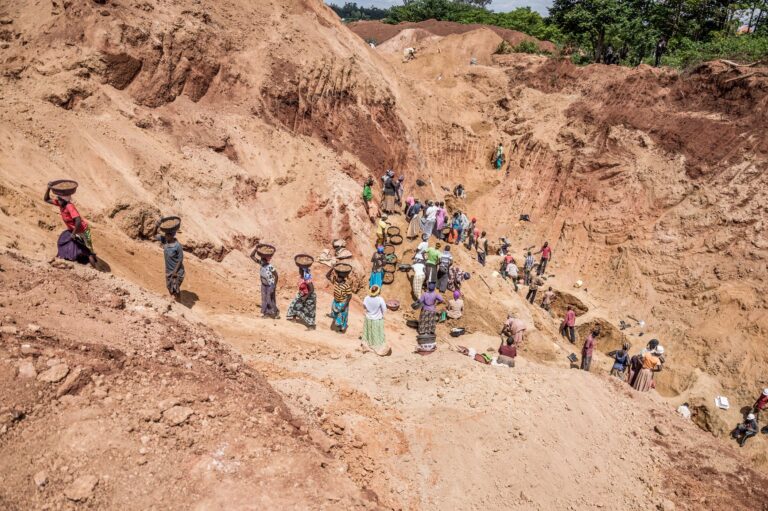
Natural Resource Governance
Making Uganda's critical minerals benefit people and planet through transparency and community rights.

Just Transition
A fair shift to clean energy that puts frontline communities and workers in charge.

Gender, Health & Environment
Linking reproductive health, gender equality and climate adaptation in one approach.

Community-Led Food Sovereignty
Agroecology, seed sovereignty and fair local markets for smallholder farmers.
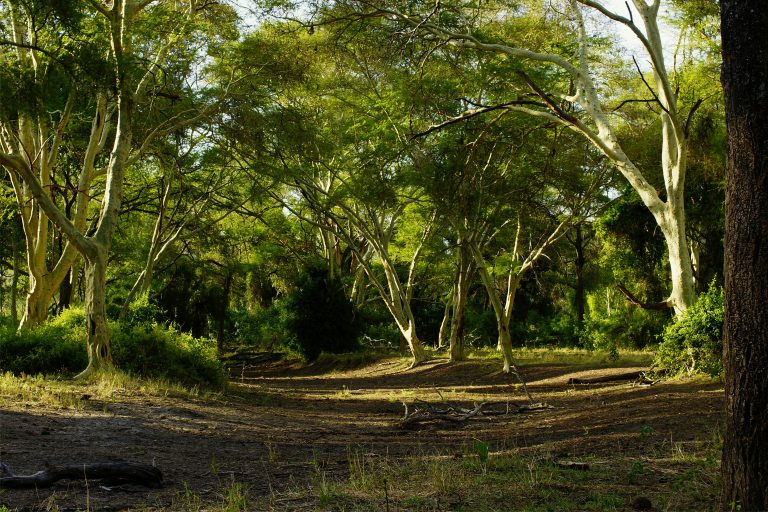
Wildlife Conservation
Fighting wildlife trafficking with communities, rangers and stronger laws.
Stand with communities in the Rwenzori
Partner with CECIC, support a programme, or bring our team to your district. Together we can make climate justice real.