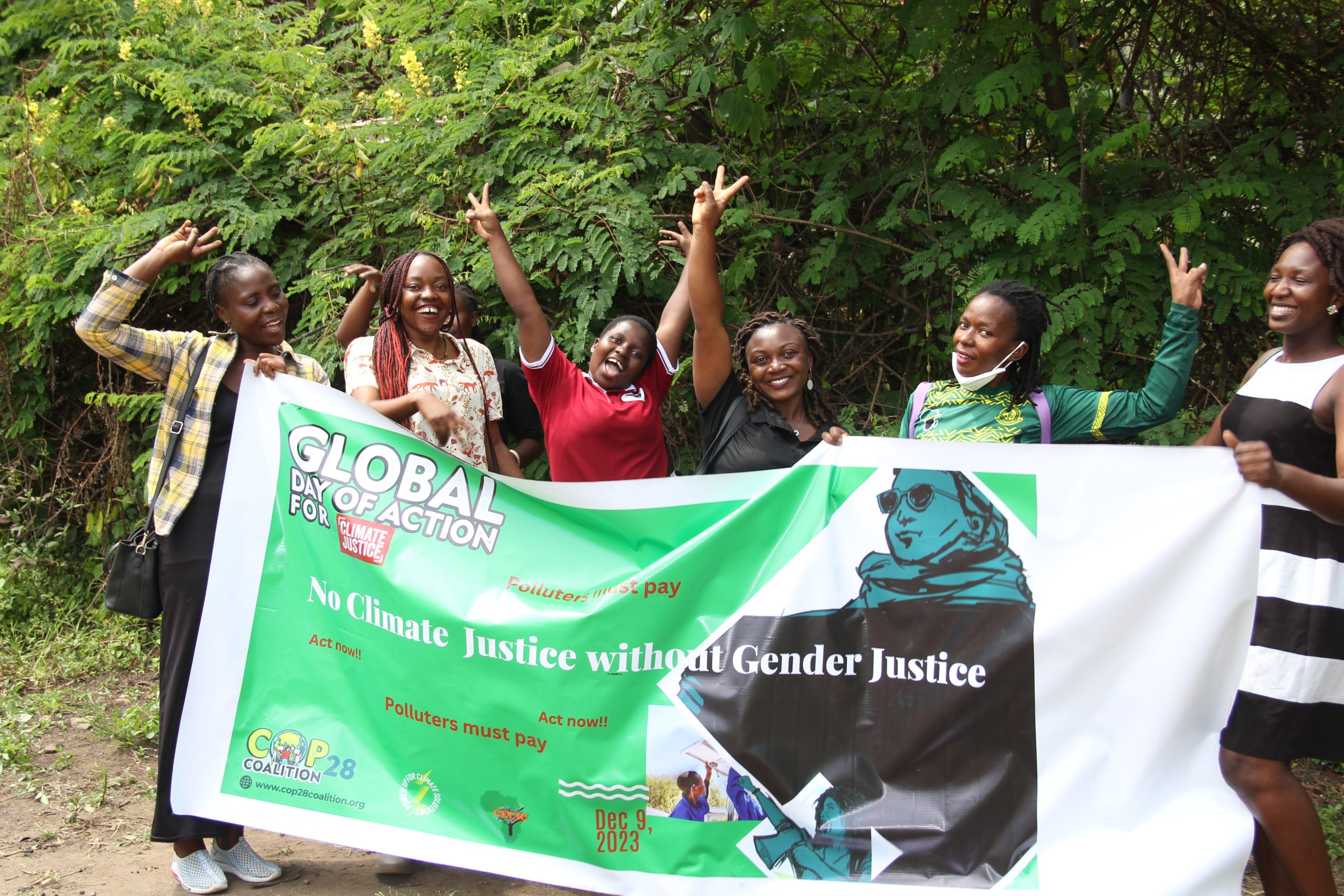

Our Gender, Health and Environment programme recognises that climate change, health and gender inequality are one interconnected crisis, and responds with one integrated approach.
The impacts of climate change are acutely felt in Uganda and across the globe. More frequent and severe extreme weather events have deeply affected people’s lives, making frontline communities more vulnerable, particularly women and girls. Climate emergencies disrupt health and protection services and significantly affect the sexual and reproductive health and rights (SRHR) of women and girls, a crucial but often neglected consequence.
Why gender, health and environment belong together
Climate change acts as a powerful multiplier of existing threats. It causes displacement, destroys infrastructure and deepens water insecurity, leading to more disease and mental health challenges. These effects disproportionately harm women and young people, worsening gender-based violence, maternal health risks and disruptions to reproductive health services.
Uganda is ranked among the most climate-vulnerable countries in the world. High dependence on climate-sensitive sectors such as agriculture and tourism makes communities susceptible to droughts, floods and landslides.
Our integrated health and environment approach
A gender, health and environment lens changes what we do and who leads it. CECIC moves beyond isolated programmes. We weave family planning and reproductive health initiatives directly into conservation and climate adaptation strategies, building community resilience, promoting gender equality and driving sustainable policy and practice.
Health & rights
Raising awareness of SRHR, maternal health and family planning in climate-affected communities.
Women's leadership
Supporting women and girls to lead in environmental decision-making and climate adaptation.
Resilient livelihoods
Linking conservation and climate-smart livelihoods to household health and wellbeing.
Policy & advocacy
Pushing for policies that address climate, health and gender as connected priorities.
Partner with us on health and environment
Investing in gender, health and environment together delivers more than either alone: healthier families, stronger women’s leadership and communities better prepared for climate shocks.
- Scale a model that advances gender equality and climate resilience together
- Safeguard reproductive health during climate emergencies
- Amplify community-led action and women’s voices in policy
Your strategic partnership will help transform vulnerable systems and drive policies that address the interconnected crises of climate, health and gender. Learn more about the links between climate and health from the World Health Organization, see our climate resilience work, or contact our team.
Common questions
Why combine health services with climate work?
When floods or droughts strike, clinics close, water sources fail and girls often leave school. Linking health, gender and environment planning helps communities prepare for these shocks and keeps essential services running.
Who leads health and environment activities?
Women’s groups, youth groups and community health workers lead many activities, supported by CECIC staff and partners. Their priorities guide what we work on in each community.
Other CECIC programmes

Climate Change & Community Resilience
Locally led adaptation, clean energy and nature-based solutions for climate-vulnerable communities.
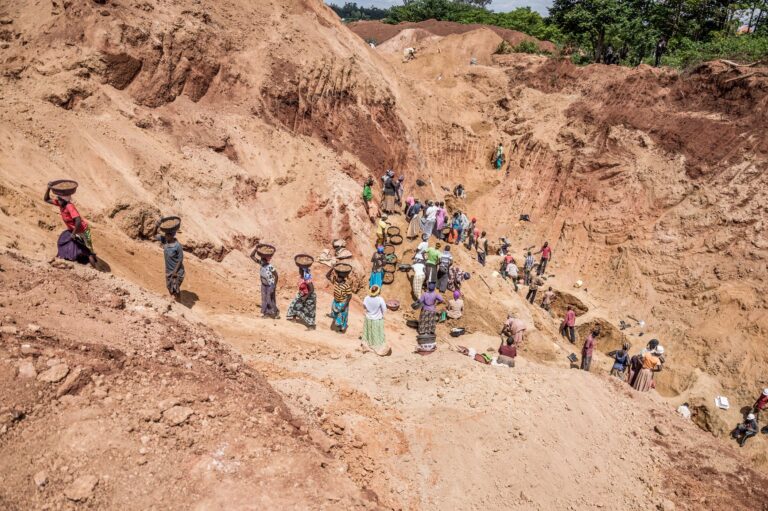
Natural Resource Governance
Making Uganda's critical minerals benefit people and planet through transparency and community rights.

Just Transition
A fair shift to clean energy that puts frontline communities and workers in charge.

Community-Led Food Sovereignty
Agroecology, seed sovereignty and fair local markets for smallholder farmers.
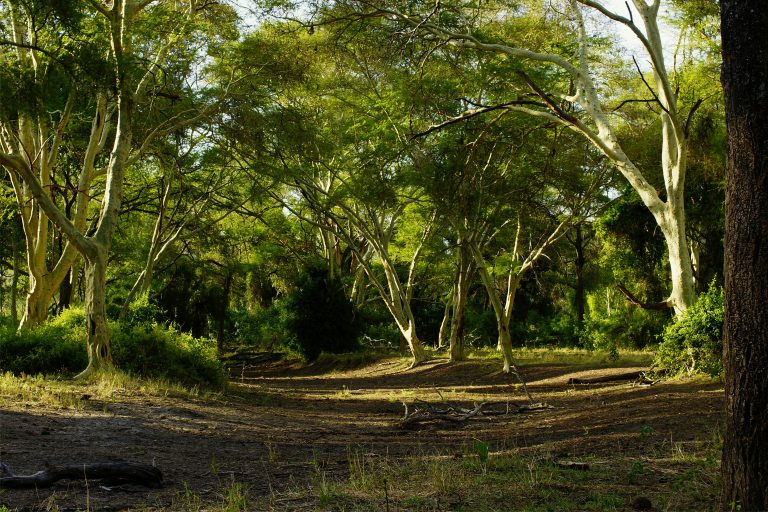
Wildlife Conservation
Fighting wildlife trafficking with communities, rangers and stronger laws.

Batteries & Renewable Energy Solutions
Safe battery use, recycling and producer responsibility as solar spreads.
Stand with communities in the Rwenzori
Partner with CECIC, support a programme, or bring our team to your district. Together we can make climate justice real.